Knowledge Center
What people wonder about gaseous suppression, the common myths, and the science behind it — without the marketing language.
Featured
MYTH / FACT
“Suppression gas is toxic to people”
Fact: FM-200's active agent has been used in asthma inhalers since 1942.
STATISTIC
43 of every 100 businesses
43% of businesses that suffer a fire never reopen (VdS).
THE SCIENCE
Breaking the fire triangle
Every suppression agent attacks one side of the triangle.
GLOSSARY
What is hold time?
The time the suppression concentration must be retained in the enclosure — at least 10 minutes under the standards. If your room can't hold it, the system can't suppress.
FAQ
Which agent suits my space?
Our comparison table gives you a first read; the definitive answer comes with a site survey.
FAQ
Can the system discharge by accident?
Cross-zoned detection + verification + delay: a single detector alarm never triggers discharge.
Trust file
Beware counterfeit products: the industry's unspoken problem
In Turkey we frequently encounter unapproved valves, uncertified cylinders, and faulty installations in the field. Knowing the difference saves lives.
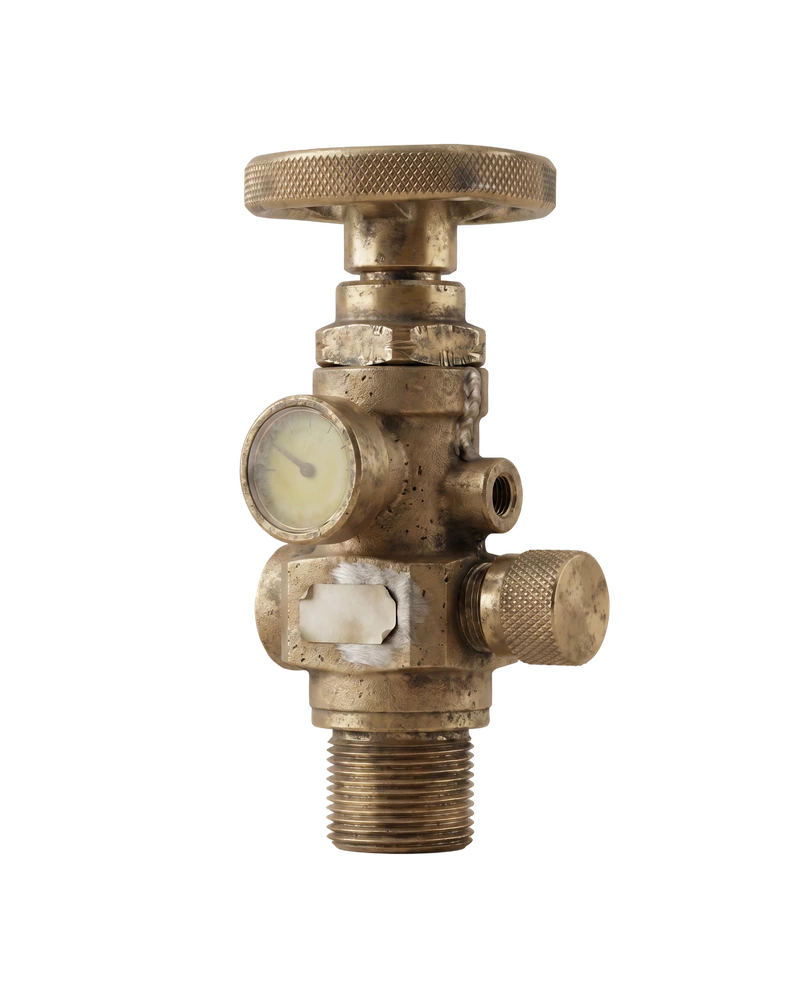
Wrong / Unapproved
- No markings
- No test certificate
- Explosion risk
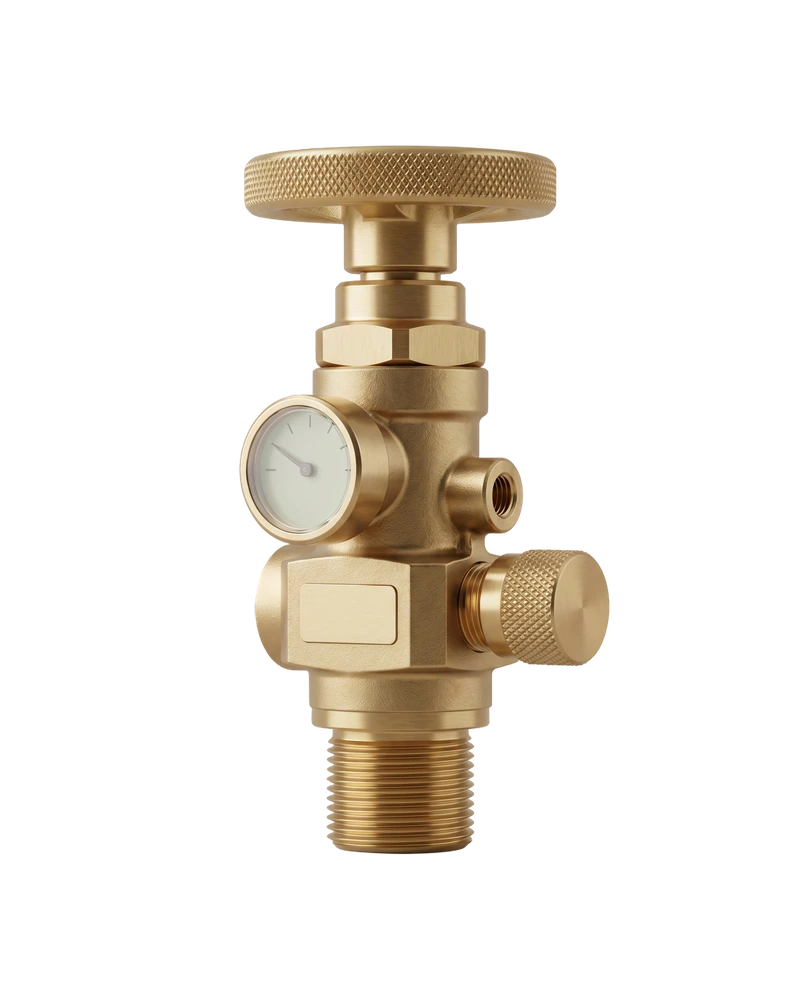
Right / Certified
- Type approval
- Test report
- Traceable serial no.
Approved-cylinder checklist
The 7 markings and documents your cylinder should have — check for yourself.
- 01Traceable serial number stamped into the body
- 02TS EN / π (Pi) pressure-equipment stamp
- 03Type approval number (VdS / CE)
- 04Manufacture and last hydrostatic-test date
- 05Working- and test-pressure marking
- 06Agent type and fill-weight label
- 07Test report from an authorized refilling company